
USB storage module for single chip microcomputers, featuring an ATMEGA32U4 chip in a 50mm by 16mm compact form factor for electronics development and programming tasks.
ATMEGA32U4
£20.98
Skip to product information

 This USB storage module is a hardware component designed for developers and electronics enthusiasts working with single chip microcomputers. It provides the core functionality needed to develop virtual keyboard interfaces and other Human Interface Device (HID) projects that communicate via USB. Centred around the ATMEGA32U4 microcontroller, a chip known for its native USB support, the module offers a practical, physical platform for prototyping without requiring extensive additional circuitry for USB communication. Its standard data rate ensures compatibility for development purposes, while its specific 50mm by 16mm footprint makes it a manageable component for integration into custom designs or educational kits.
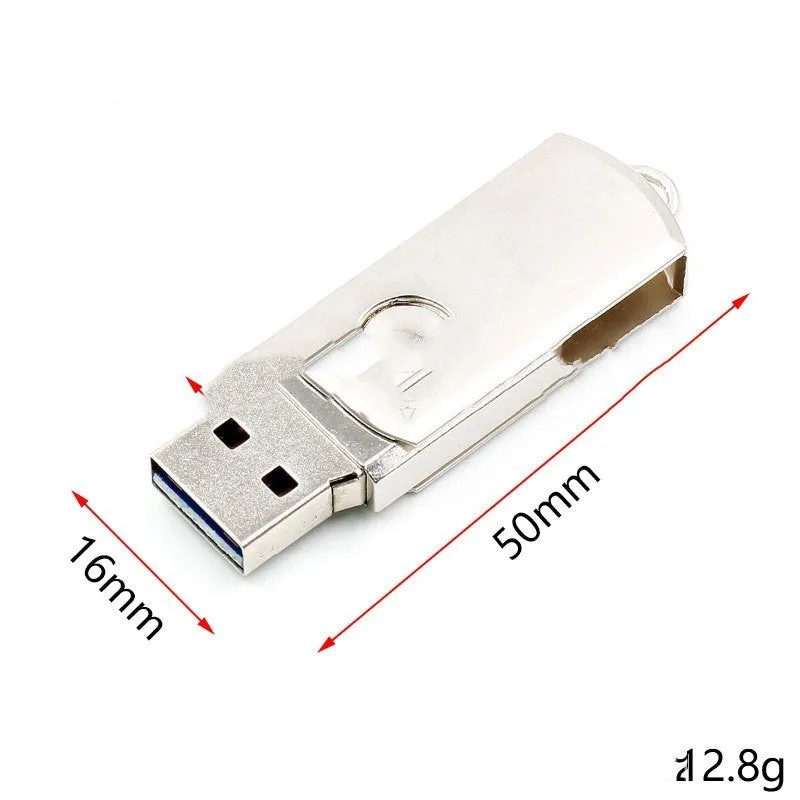 This section details the module's tangible specifications and how its build supports its intended development role.
 Understanding the module's application context helps in planning its integration into both learning environments and functional prototypes.
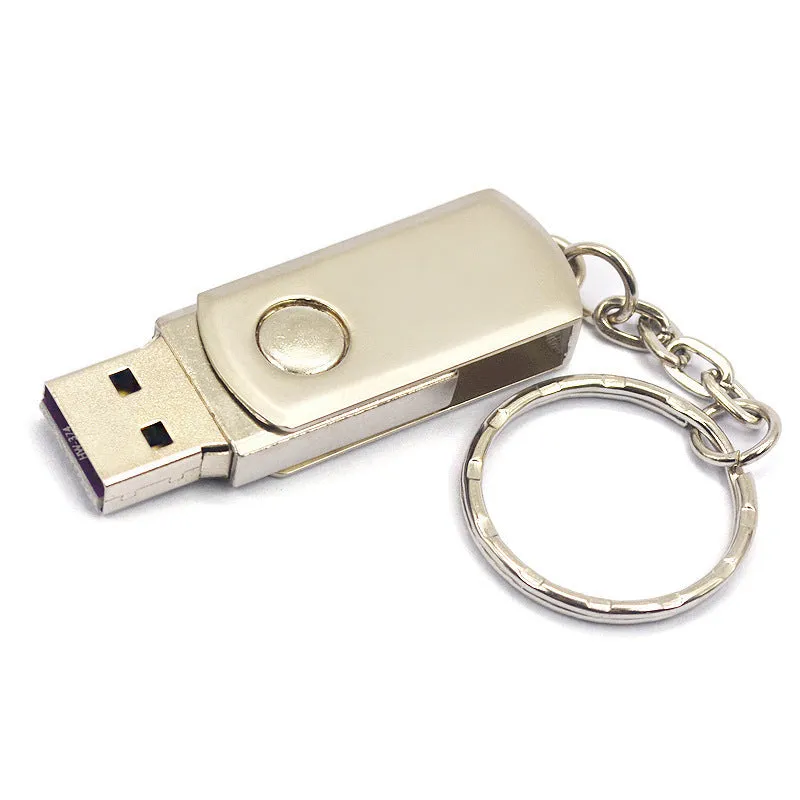 The value of this product lies in its specific functionality and the practical advantages it offers to developers working with constrained systems.


USB storage module for single chip microcomputers, featuring an ATMEGA32U4 chip in a 50mm by 16mm compact form factor for electronics development and programming tasks.
£20.98
Compact USB Storage Module with ATMEGA32U4 Chip for Single Chip Microcomputer Projects
Features and Construction
Material and Build
The module's primary functional component is the ATMEGA32U4 microcontroller chip. This specific integrated circuit is a key feature, as it includes hardware support for the USB protocol, enabling the module to act as a USB device without needing an external USB-to-serial converter. The construction revolves around this chip, mounted on a circuit board with the necessary supporting passive components to create a complete, functioning USB storage module ready for integration into larger projects.Size and Practical Fit
With dimensions of 50mm in length and 16mm in width, the module has a deliberately compact form factor. This size makes it suitable for installation within custom project enclosures or for use on a breadboard during the prototyping phase. The modest footprint ensures it does not dominate a build, allowing developers to incorporate it alongside other components such as the main single chip microcomputer, sensors, or power supplies within a confined space.Uses and Placement
Event or Professional Use
In professional prototyping or workshop settings, this module serves as a dedicated USB interface component. Developers can use it to create functional prototypes of custom keyboards, input panels, or other HID devices that interact directly with a computer's USB port. It provides a tested hardware foundation, allowing engineers and product developers to focus on the application layer and custom key mapping rather than low-level USB driver development.Everyday Home Use
For hobbyists and students working on personal projects at home, the module offers a straightforward entry point into USB device development. It can be used in educational projects to teach USB communication principles, to build custom macro pads for gaming or productivity, or to create accessible input devices. Its supplied state as a single module means users need to source their own connecting wires and potentially a case, framing it as a core component for a custom build.Benefits and Buying Value
Reuse and Low Maintenance
As a solid-state electronic module with no moving parts, it requires minimal maintenance under normal operating conditions. It can be desoldered and reused in different project iterations, provided it is handled correctly. Its value is in providing a reusable USB interface core that can be programmed and reprogrammed for different HID applications across multiple projects, from one development cycle to the next.Why Choose This Product
This module is chosen for its direct incorporation of the ATMEGA32U4 chip, which simplifies USB connectivity for microcomputer projects. Compared to using generic development boards or cobbling together separate USB and microcontroller components, this integrated module saves design time and reduces potential points of failure. Its clearly defined 50mm by 16mm size also aids in accurate planning for enclosure design or PCB layout, providing a known quantity for project integration.