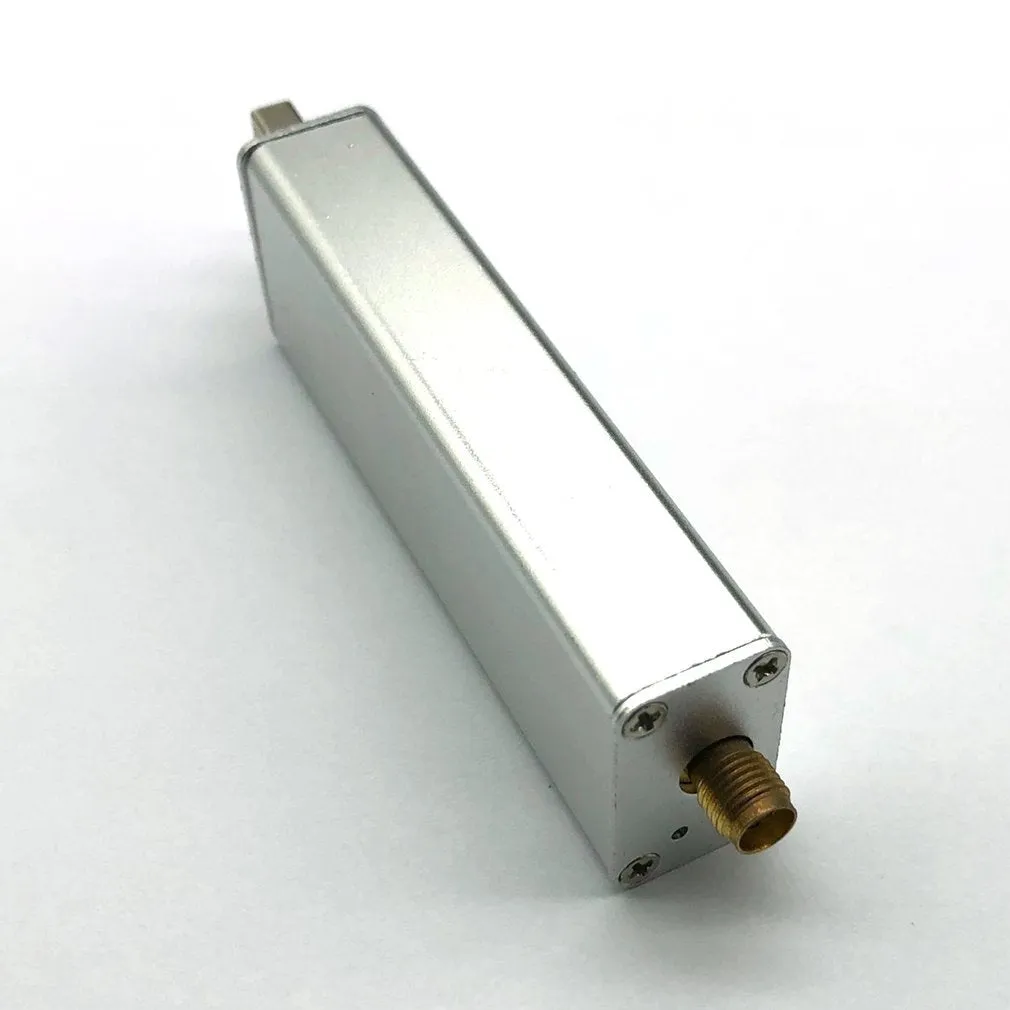
All-band software-defined radio SDR receiver, aviation band ADS-B aircraft tracker, high-frequency HF VHF UHF radio scanner, black metal case, SMA connector, supports 25 MHz to 1.7 GHz range with free SDR software, for AM, FM, DAB+, ADS-B, and LSB.


All-band software-defined radio SDR receiver, aviation band ADS-B aircraft tracker, high-frequency HF VHF UHF radio scanner, black metal case, SMA connector, supports 25 MHz to 1.7 GHz range with free SDR software, for AM, FM, DAB+, ADS-B, and LSB.
All-Band SDR Receiver: Track Aviation ADS-B and Scan HF to UHF Frequencies
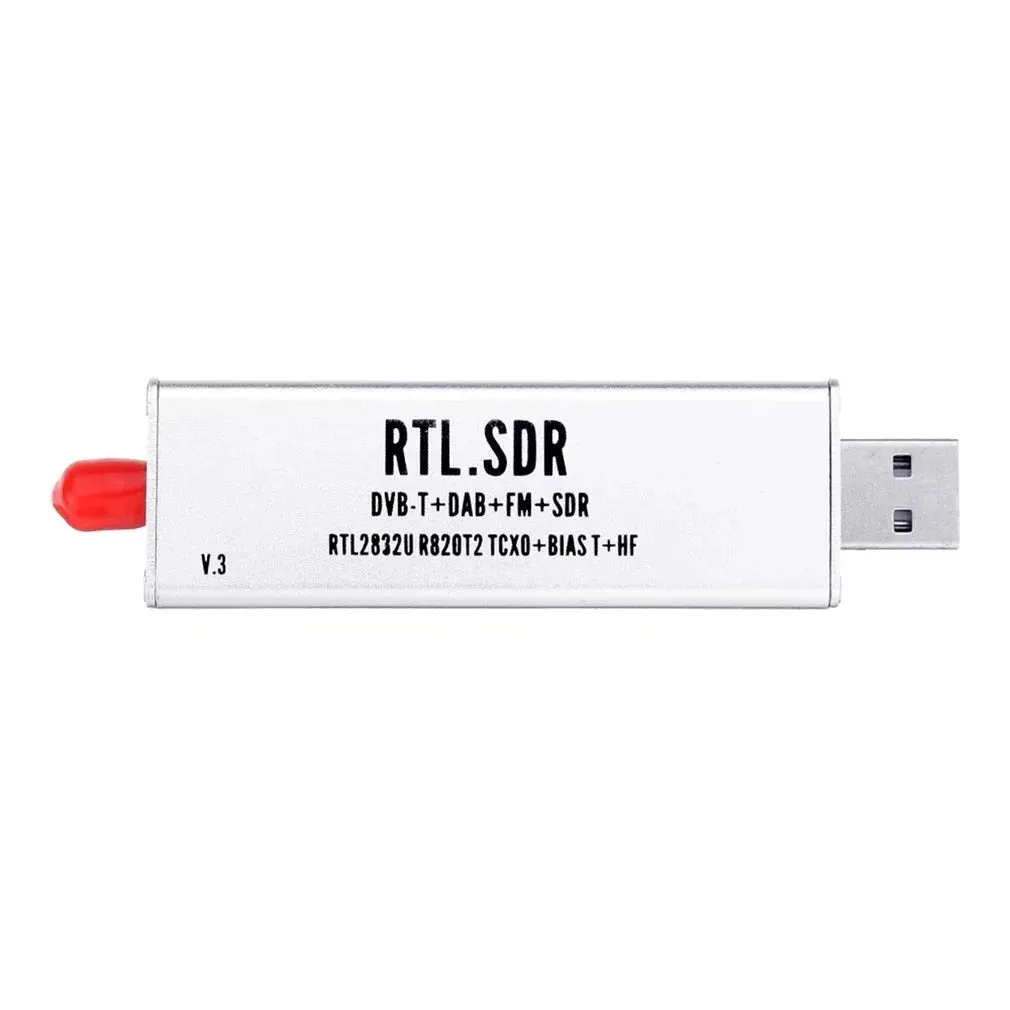
This A300U model all-band software-defined radio receiver delivers broad-spectrum radio monitoring in a single, compact unit. Covering a frequency range from 25 MHz to 1700 MHz, it is designed for enthusiasts who require versatility, supporting everything from traditional AM/FM broadcasts and digital DAB+ to specialised modes like LSB and, crucially, ADS-B for real-time aircraft tracking. Bundled with free SDR software, it transforms a standard computer into a powerful radio scanning station, eliminating the need for multiple dedicated hardware receivers. Its practical design, with a metal case and standard connectors, makes it a straightforward choice for hobbyist monitoring, technical research, and aviation interest groups.
Features and Construction

This SDR receiver's core functionality is defined by its wide operational spectrum and included software. We examine the key components that enable its performance, from the physical build to the supported signal types.
Material and Build
The receiver is encased in a black metal housing, which offers a sturdy and protective shell for the internal circuitry. This construction helps shield sensitive components from external interference, contributing to stable operation. The primary RF connection point is a gold SMA connector, a standard interface in radio equipment that ensures a reliable connection for your antenna. Power is supplied simply via a 5V input, typically compatible with common USB power adapters or computer ports, facilitating easy setup and mobile use.
Size and Practical Fit
While specific dimensions are not provided, the unit's design as a compact software-defined radio suggests it is a desktop or portable device meant to be connected to a computer. Its form factor is likely geared towards convenient placement near a workstation. The reliance on external SDR software means its physical footprint is minimal, with the computational heavy lifting handled by your PC. This integration makes it a space-efficient solution compared to traditional bench-top radio scanners, fitting neatly into a home office, workshop, or field kit for portable monitoring sessions.
Uses and Placement

The receiver's wide frequency coverage opens up numerous applications, from professional adjacent monitoring to casual listening. Its placement is inherently tied to a computer, defining its primary use environments.
Event or Professional Use
For aviation enthusiasts and volunteer aircraft spotters, the built-in ADS-B support is a key feature, allowing for the reception of signals broadcast by aircraft that include data like position, altitude, and speed. This makes it a valuable tool for real-time flight tracking. Similarly, its ability to receive LSB (Lower Sideband) and other modes across the HF, VHF, and UHF bands can support amateur radio operators, maritime monitoring, or technical field research where analysing a broad spectrum of signals is required, all from one piece of hardware.
Everyday Home Use
At home, this receiver can function as a versatile audio source and scanner. Users can tune into local FM radio stations, explore AM talk radio, or experience digital DAB+ broadcasts for clearer sound. The SDR software often provides visual representations of the radio spectrum, allowing curious users to 'see' radio traffic and discover new stations or signals. It serves as an educational tool for learning about radio technology and the invisible wireless world, making it suitable for students, tech hobbyists, or anyone interested in expanding their home entertainment and knowledge base.
Benefits and Buying Value
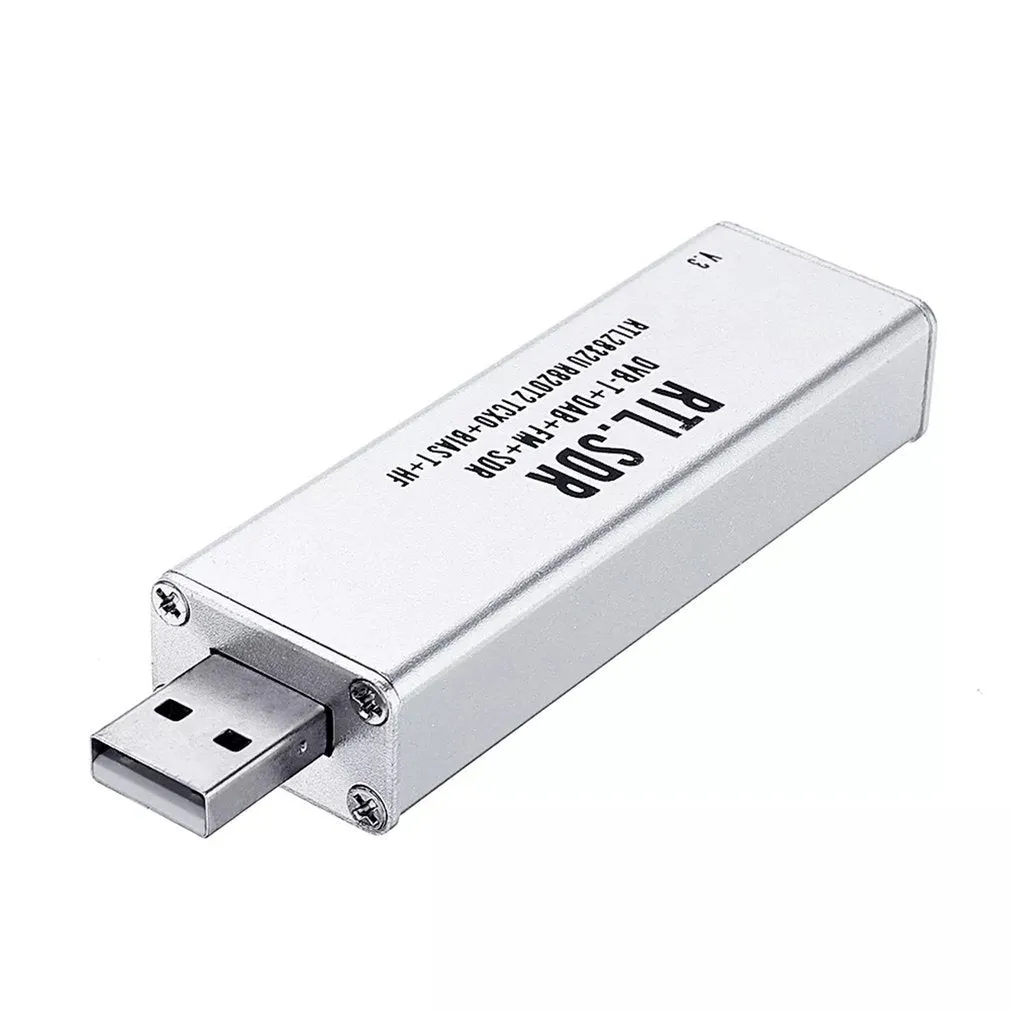
The value of this SDR receiver lies in its consolidation of multiple monitoring functions and its software-centric approach, which offers flexibility and potential for future updates.
Reuse and Low Maintenance
As a software-defined device, much of its functionality and potential improvements are handled through software updates rather than hardware replacement. The free included software is the primary interface, and the user community often develops additional plugins, decoders, and features that can extend the unit's capabilities long after purchase. The metal case contributes to product longevity by protecting the electronics. With no moving parts and simple power requirements, the receiver is designed for reliable, low-maintenance operation over time.
Why Choose This Product
Choosing this all-band SDR receiver is a decision for those seeking breadth and flexibility in radio monitoring without investing in several specialised devices. Its key differentiator is the extensive 25 MHz to 1.7 GHz range coupled with ADS-B support for aviation tracking—a combination that addresses specific high-intent search queries. The package provides everything needed to start scanning immediately: the hardware, the necessary software, and support for a wide array of signals. It represents a practical entry point or upgrade for radio scanning, prioritising wide coverage and core functionality in a single, integrated unit.