
Male anatomical urinary system model showing internal reproductive pathology with benign prostatic hyperplasia, urethral nodules, and genital warts at a 25.5x18x15cm scale for medical education and student study


Male anatomical urinary system model showing internal reproductive pathology with benign prostatic hyperplasia, urethral nodules, and genital warts at a 25.5x18x15cm scale for medical education and student study
Male reproductive system pathology anatomical model showing disease states at 25.5x18x15cm scale

This detailed anatomical model provides medical students, educators, and healthcare professionals with a tangible reference for understanding common male reproductive system pathologies. Designed at a one-to-one ratio, it accurately represents the anatomical area of the male reproductive system while displaying multiple disease states including benign prostatic hyperplasia, urethral nodules, and genital warts. The model's construction from plastic materials makes it suitable for repeated handling in educational environments, offering a practical alternative to textbook illustrations for visual learners.
Features and Construction
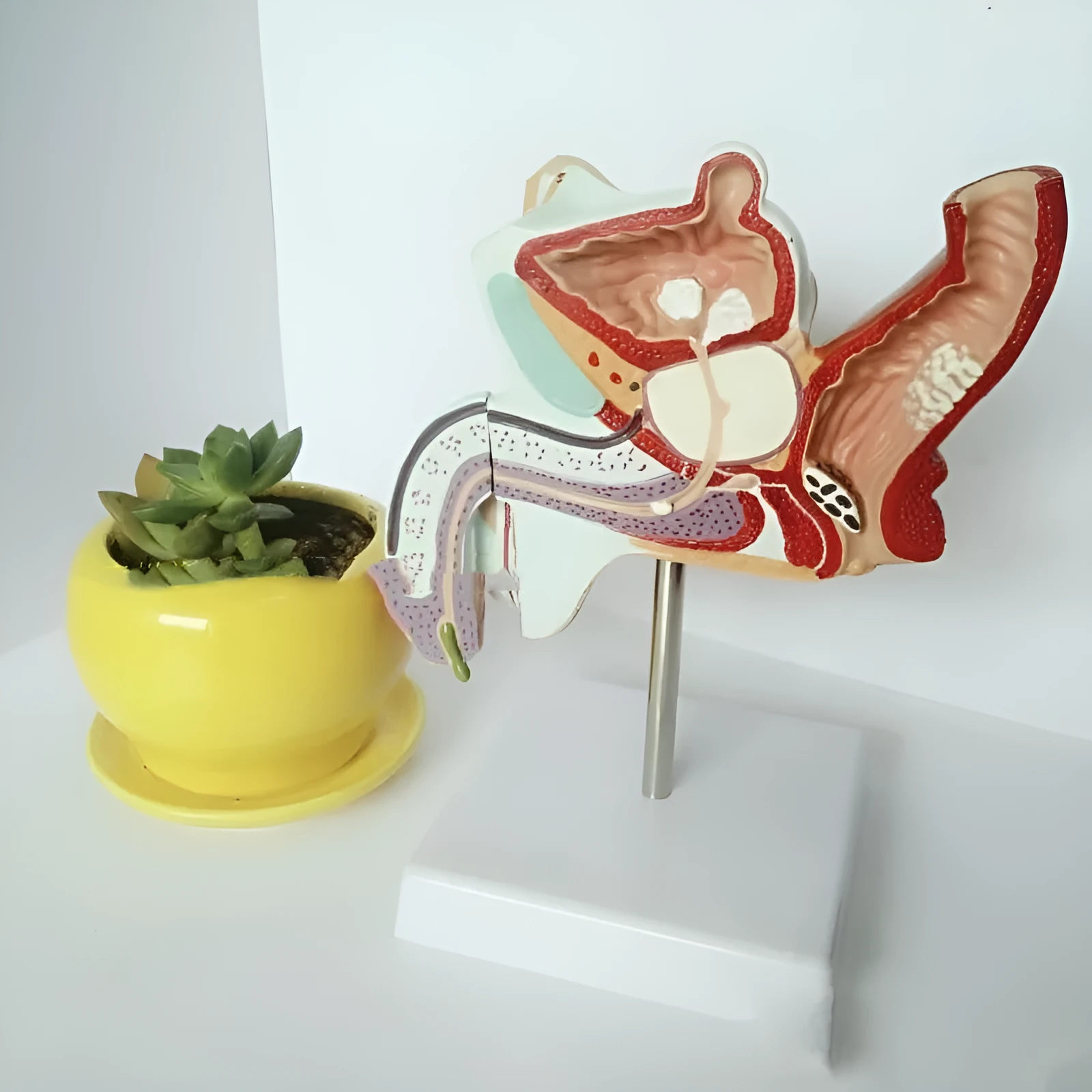
This anatomical model focuses specifically on pathological conditions affecting the male internal reproductive system, presenting them in a clear, three-dimensional format that enhances understanding of disease progression and anatomical relationships.
Material and Build
Constructed from plastic materials, this model offers durability for educational settings where repeated handling is common. The plastic construction allows for precise detailing of pathological features while maintaining structural integrity. The material choice makes the model suitable for classroom environments, medical training facilities, and study groups where a hands-on learning approach is valued.
Size and Practical Fit
Measuring 25.5 cm in height, 18 cm in width, and 15 cm in depth, this model provides substantial visual detail while remaining manageable for display on educational tables, shelves, or demonstration areas. The scale allows for clear observation of pathological features while maintaining portability between learning environments. Its dimensions make it compatible with standard educational storage solutions.
Uses and Placement
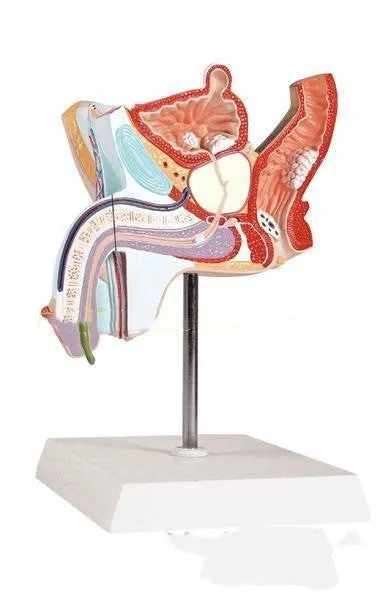
This model serves primarily as an educational tool for understanding male reproductive system pathologies, with applications spanning formal education settings, professional training environments, and self-directed study.
Event or Professional Use
In medical education contexts, this model supports teaching about common male reproductive conditions including benign prostatic hyperplasia and urethral pathology. Healthcare training facilities can use it to demonstrate disease states to students and trainees. Medical conferences or educational workshops might incorporate this model as a visual aid during presentations about male reproductive health conditions and their anatomical manifestations.
Everyday Home Use
For independent learners, medical students, or healthcare professionals maintaining home study areas, this model provides a consistent reference for reviewing male reproductive system pathologies. Its plastic construction requires minimal maintenance while offering repeated access to visual information that supplements textbook learning. The model serves as a permanent study aid that doesn't require digital access or power sources.
Benefits and Buying Value

This anatomical model offers practical advantages for those seeking tangible educational resources focused on male reproductive health conditions.
Reuse and Low Maintenance
The plastic construction enables repeated handling without significant wear, making this model suitable for classroom rotation or shared educational environments. Unlike digital resources requiring devices or connectivity, this physical model remains accessible regardless of technology availability. Its durable materials support long-term use across multiple educational cycles with minimal maintenance requirements beyond careful handling.
Why Choose This Product
This model provides specific focus on male internal reproductive pathologies with accurate anatomical representation at a one-to-one ratio. Unlike generic anatomical models, it concentrates on disease states including benign prostatic hyperplasia and urethral conditions. The clear visual presentation of multiple pathologies in one model offers comparative learning opportunities. For educators and students requiring focused resources on male reproductive system diseases, this model delivers targeted educational value.